
The story of Preds
AI detection, built for Hungarian.
Preds started in summer 2025 with a simple but urgent realisation: there was no reliable AI detector for Hungarian. The project grew from earlier experience and research in English-language AI text detection, with a specific focus on the characteristics of Hungarian writing.
Preds was publicly released in January 2026. Since then, thousands of users have used it to review texts, while the project continues to evolve through research, data and real-world user feedback.
About us
Kiss Mihály
Machine Learning Engineer · Creator of Preds
I have been researching AI-generated text detection since 2023 — for more than three years. I began during the early wave of widespread adoption of large language models; Preds builds on those years of research and development.
I created Preds to help people distinguish human writing from AI-generated text in Hungarian. What began as university research has become a project focused on putting that knowledge into practice.
LinkedIn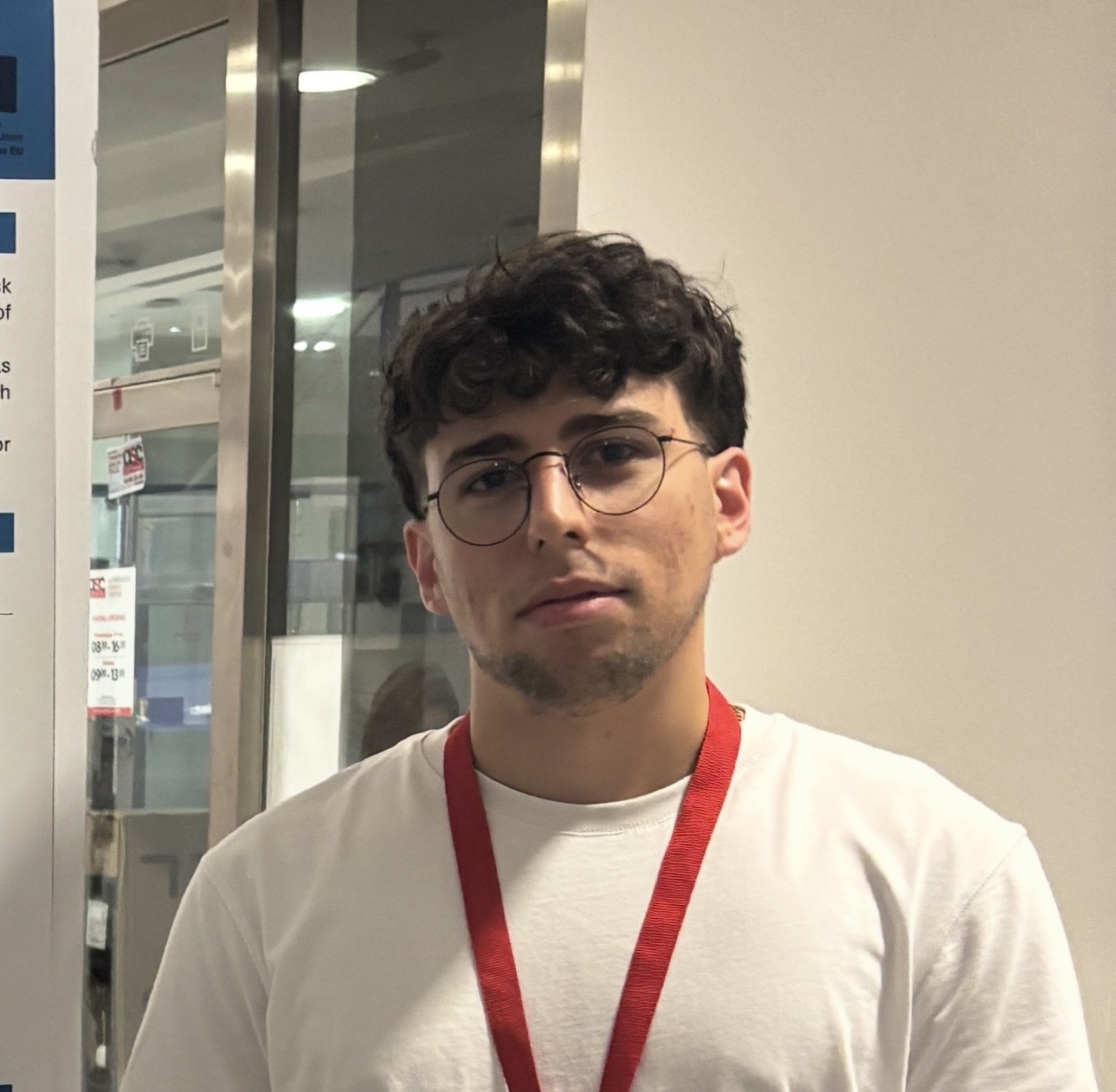
Engineering and research background.
I specialised in artificial intelligence during my BSc and MSc studies in Computer Science at the University of Szeged. At Kontron Hungary, I work on enterprise AI solutions and fine-tuning language models. Previously, I contributed to educational AI tools at Mozaik Education and developed a production retrieval-augmented AI system at Sogelink.
At the University of Szeged’s AI Department, I researched AI-generated text detection, focusing on generalisation across language models. My research includes multiple scientific publications, including Beyond Binary, published at COLING 2025. I also won first place in the Speech and Natural Language Processing section of Hungary’s 2025 National Student Research Conference (OTDK).
From research to a working product.
I began the work behind Preds as thesis research at the University of Szeged. The question seemed simple: how can we recognise AI-generated writing in Hungarian? Answering it required diverse texts, carefully assembled datasets and repeatedly evaluated models.
The project received the University of Szeged’s Student Innovation Award. For me, this recognised the practical value of Hungarian AI text detection in education, editorial work and everyday content review.
Read the university’s profile of PredsClear results, responsible use.
I believe the limitations of AI detection should be as clear as its results. A detector provides a signal that should be considered alongside context and the author’s work. My aim is to help people make better-informed decisions.
On the blog, I share lessons from development, explain how models work and discuss responsible use. I want to make the subject accessible to people who encounter AI writing every day, even if they do not work in machine learning.